Guide to the United States Growing Zone Map for Optimal Plant Selection
In this comprehensive guide you will learn how to read the U.S. plant hardiness zone map, understand the factors that determine each zone, and use that knowledge to choose the right plants for your garden. Whether you’re a seasoned horticulturist or a weekend gardener, mastering the zone map will help you make informed decisions that lead to healthier, more resilient plants.
Understanding the USDA Plant Hardiness Zone Map
The USDA Plant Hardiness Zone Map is a standardized system that divides the United States into 13 primary zones, each labeled 1 through 13. These zones reflect the average annual minimum winter temperature in each region. The map uses a 10‑degree Fahrenheit band, meaning each zone is separated by a 10‑degree difference. Zone 1 is the coldest, with temperatures below –50°F, while Zone 13 is the warmest, with averages above 65°F.
Zones are further subdivided into “a” and “b” subzones. The “a” designation indicates the warmer half of the zone, while “b” marks the cooler half. For instance, Zone 5a has a minimum of –20°F to –10°F, whereas 5b ranges from –30°F to –20°F. This fine‑grained system helps gardeners predict which plants will survive harsh winters.
How to Read the Growing Zone Map
When consulting the map, locate your city or county on the map grid. The corresponding number and letter reveal the zone you belong to. For a visual reference, see the Growing Zone Map Of The United States below:

Once you’ve identified your zone, look for plant labels that match or exceed it. For example, if you’re in Zone 7a, any plant labeled 7a, 7b, or higher will likely thrive. Conversely, plants designated for lower zones may not survive extreme cold.
Factors That Influence Growing Zones
While minimum winter temperature is the primary determinant, several other environmental variables also affect plant performance:
- Daylight Hours: Higher latitude areas have shorter growing seasons.
- Precipitation: Regions with distinct wet and dry seasons may require drought‑tolerant species.
- Soil Composition: Clay, loam, or sandy soils impact root development and nutrient availability.
- Urban Heat Island Effect: Cities can be several degrees warmer than surrounding countryside.
In practice, you should combine zone data with local climate records and soil tests for the most accurate plant selection.
Choosing Plants for Your Zone
When shopping for seeds or live plants, always check the hardiness rating. Many nurseries list the USDA zone in the product description. If a plant’s zone matches or is lower than your own, it is a safe choice. For example, a plant rated Zone 4 can thrive in Zones 4, 5, 6, etc., but not in Zone 3.
For garden beds that span multiple subzones (common in mountainous areas), consider plants that have a broader range. Evergreen shrubs, for instance, often have extensive zone ranges and can adapt to slight temperature variations.
Seasonal Planning Using Zone Information
Knowing your zone allows you to schedule planting dates strategically:
- Early Spring: In warmer zones, start seedlings indoors early to take advantage of longer days.
- Late Summer/Early Fall: In cooler zones, transplant seedlings before the first frost.
- Winter: Protect vulnerable plants with mulches or cold frames in zones prone to freeze‑thaw cycles.
Additionally, plan for post‑frost flowering and fruiting times. Many perennials have bloom periods tied to daylight rather than temperature alone, so a comprehensive calendar is essential.
Using Digital Resources for Precise Mapping
While the printed map is useful, digital tools let you pinpoint your exact latitude and longitude, overlaying it on the zone grid. Many gardening websites allow you to enter your ZIP code and instantly display your zone. These tools also often include additional data such as average frost dates, hardiness information for specific plants, and even local soil reports.
Common Mistakes When Using the Zone Map
1. Assuming Zone Equivalence: A plant labeled for Zone 6 does not automatically grow well in Zone 5; the temperature difference can be significant for sensitive species.
2. Ignoring Microclimates: A backyard on a south‑facing slope may stay warmer than the surrounding region, allowing more heat‑tolerant plants.
3. Overlooking Summer Heat: Some plants survive winter temperatures but fail during extreme summer heat. Check for heat tolerance ratings if you live in hotter zones.
Practical Tips for Maximizing Garden Success
- Use a Local Gardening Club’s Almanac: Many regions publish annual climate summaries that help fine‑tune plant choices.
- Layer Your Planting: Combine perennials, shrubs, and trees that have overlapping zone ranges to create a resilient ecosystem.
- Employ Mulching: Mulches help regulate soil temperature, especially critical in colder zones.
- Check for Plant Pathogen Susceptibility: Some species are prone to fungal diseases in humid climates; adjust selections accordingly.
Conclusion
Mastering the U.S. growing zone map is a foundational skill for any serious gardener. By accurately identifying your zone, understanding local climate nuances, and selecting plants with compatible hardiness ratings, you can reduce transplant shock, increase yields, and enjoy a vibrant garden that thrives year after year. Use the resources and tips outlined above to make informed decisions and turn your outdoor space into a flourishing testament to the power of proper planning.
Sunset Growing Zone Map Hardiness Zones

Sunset Growing Zone Map Hardiness Zones
Growing Zones Map United States

Growing Zones Map United States
Map Of USA Growing Zones - Printable US Maps

Map Of USA Growing Zones - Printable US Maps
Map Of USA Growing Zones - Printable US Maps
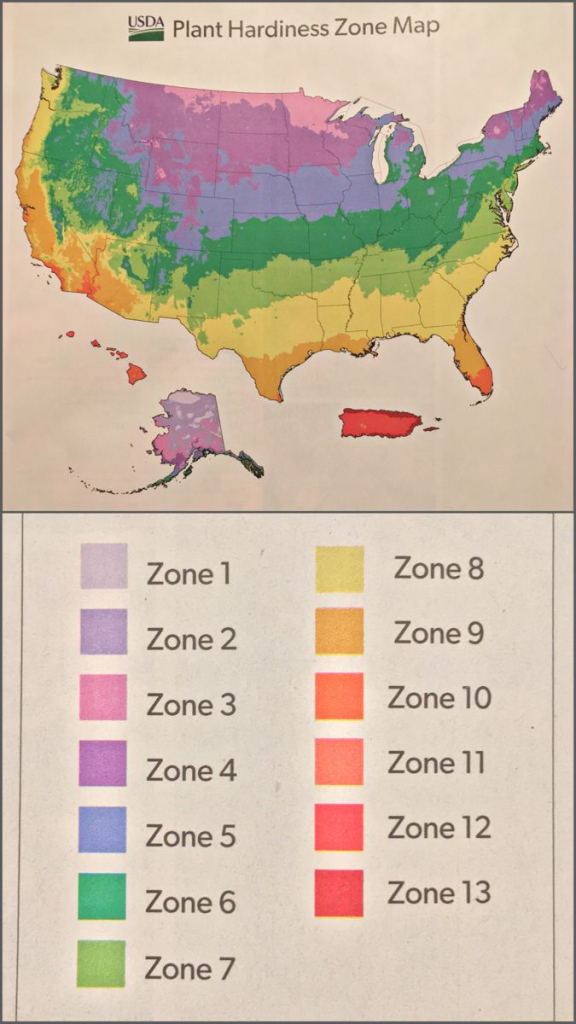
Map Of USA Growing Zones - Printable US Maps
Climate Map Of United States Climate Zones
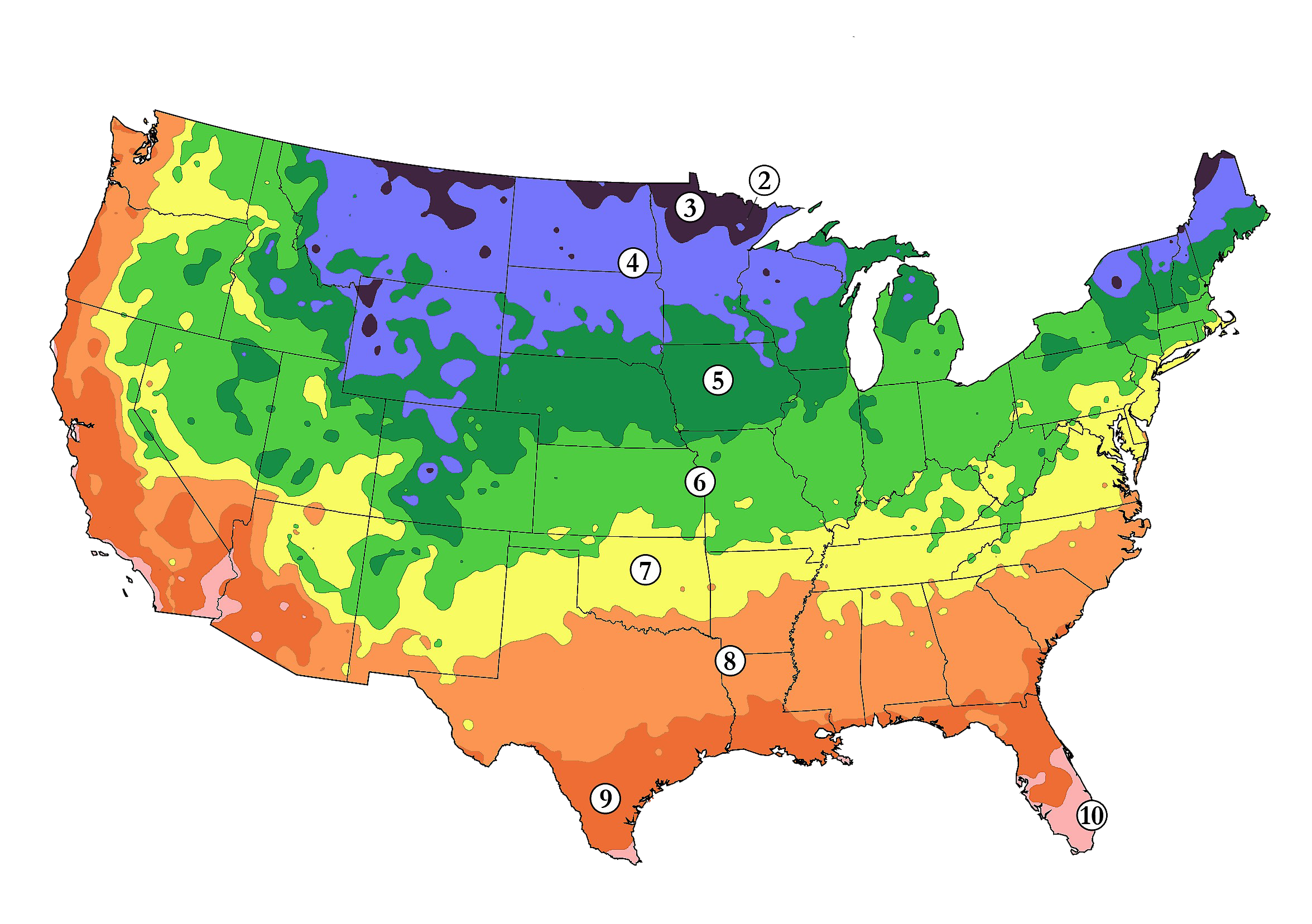
Climate Map Of United States Climate Zones
Hardiness Zones USA Map | Printable Map Of USA
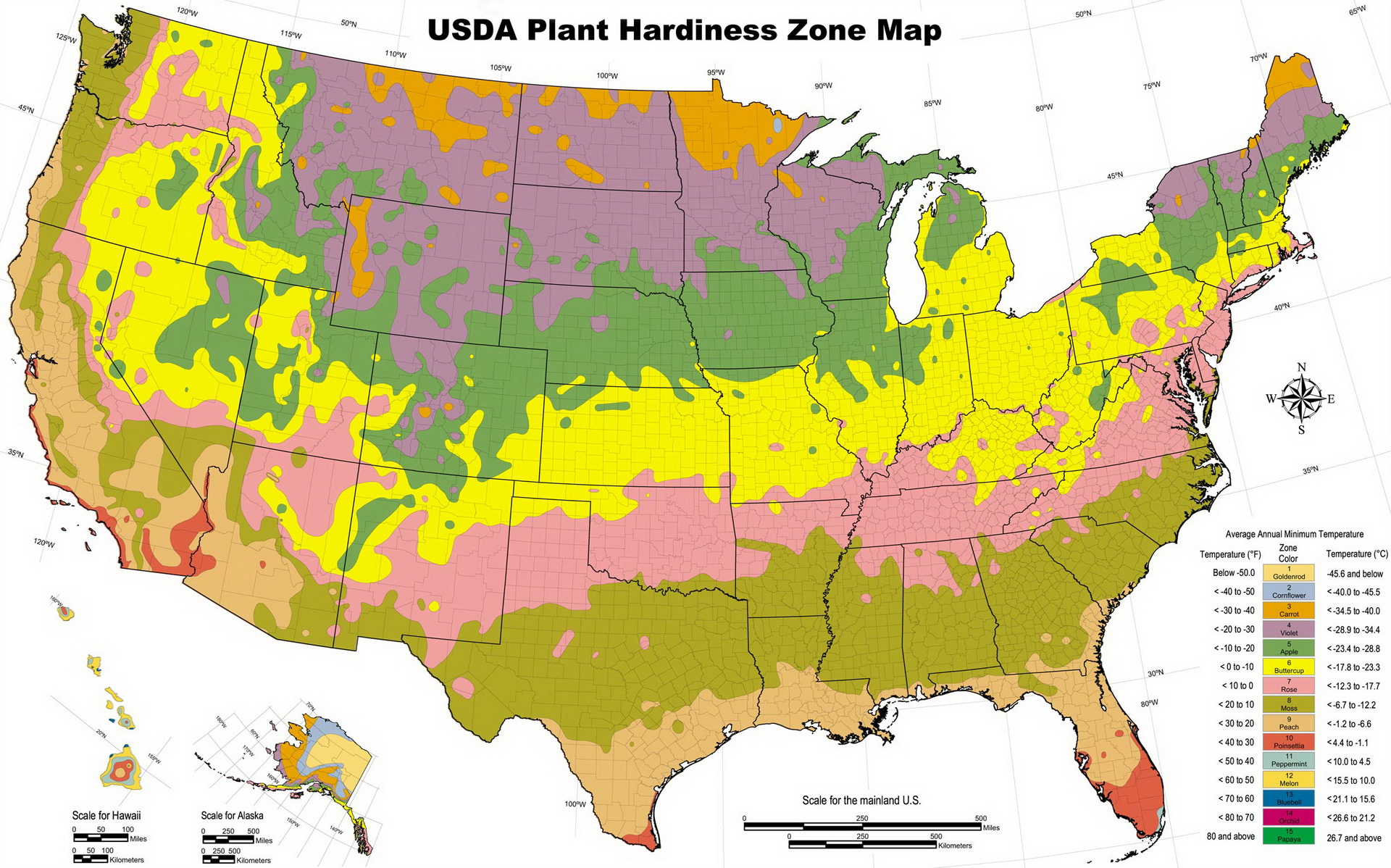
Hardiness Zones USA Map | Printable Map Of USA
Growing Zone Map Of The United States - Free Printable Map

Growing Zone Map Of The United States - Free Printable Map
Map Of Planting Zones In United States - Printable Map
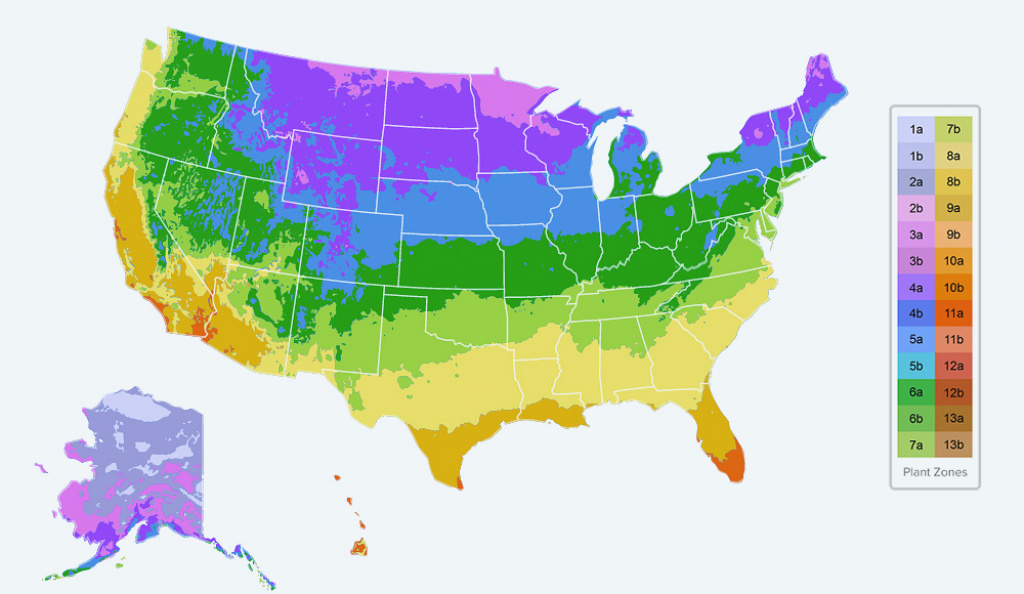
Map Of Planting Zones In United States - Printable Map
Information About Tree Growing Zones From Tree In A Box

Information About Tree Growing Zones from Tree in a Box
USDA Hardiness Zone Maps Of The United States | Landscape Plants

USDA Hardiness Zone Maps of the United States | Landscape Plants ...
Growing Zones Map United States

Growing Zones Map United States
Usda Plant Growing Zones USA United States Plant Hardiness Zone Map
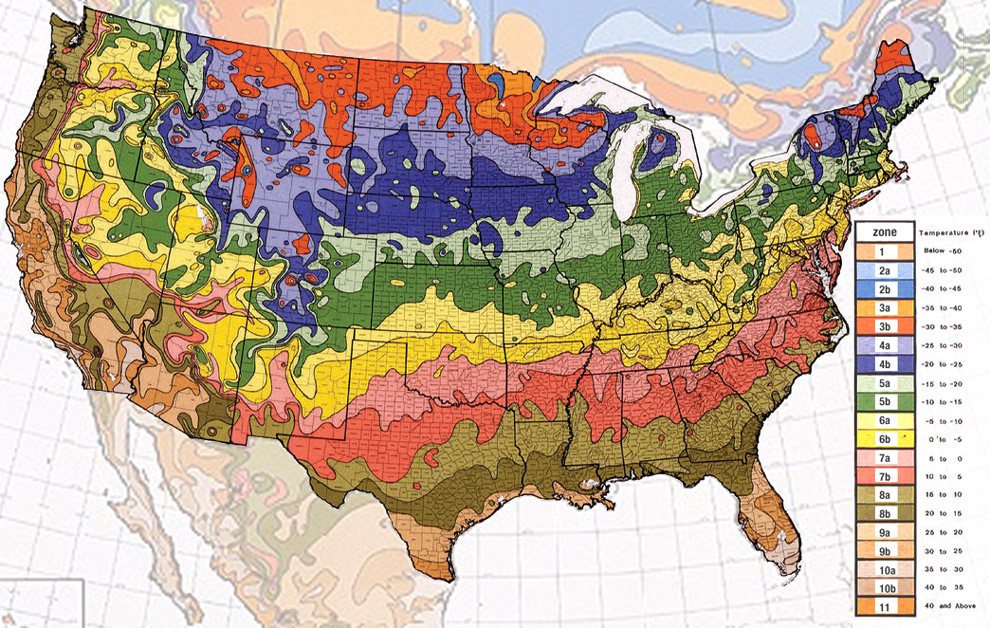
Usda Plant Growing Zones USA United States Plant Hardiness Zone Map
Growing Zones Map United States

Growing Zones Map United States
Growing Zones Map United States – Artofit

Growing zones map united states – Artofit
USDA Plant Hardiness Zone Maps For The United States - Garden Helper
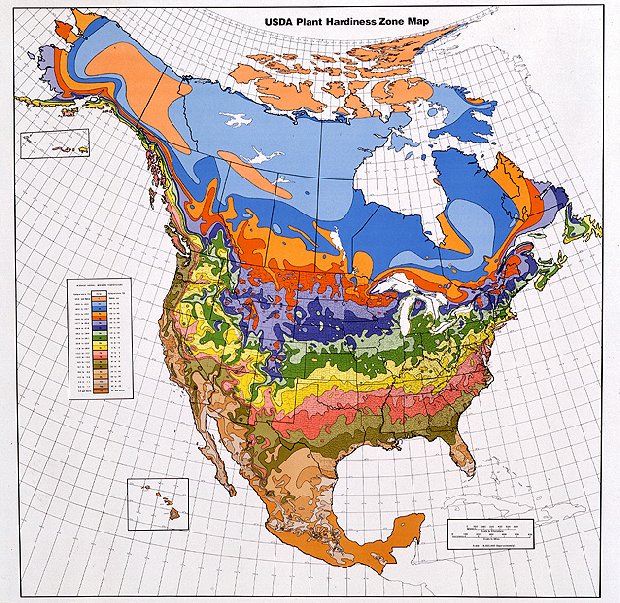
USDA Plant Hardiness Zone Maps for the United States - Garden Helper ...
Growth Zones Map Of America USA United States Plant Hardiness Zone Map

Growth Zones Map Of America USA United States Plant Hardiness Zone Map
US Planting Zone Map – Growing Zones In The United States | Gardening
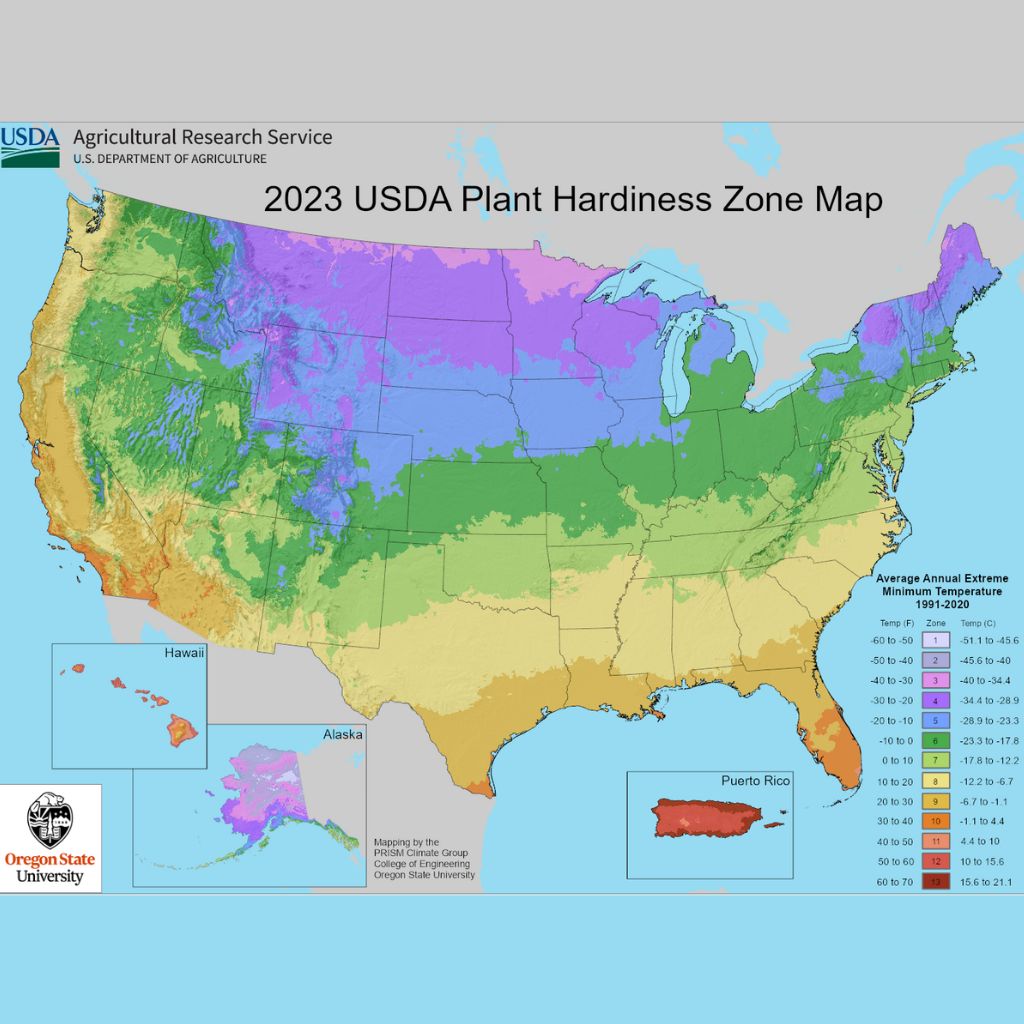
US Planting Zone Map – Growing Zones In The United States | Gardening ...
Growing Zones In The United States
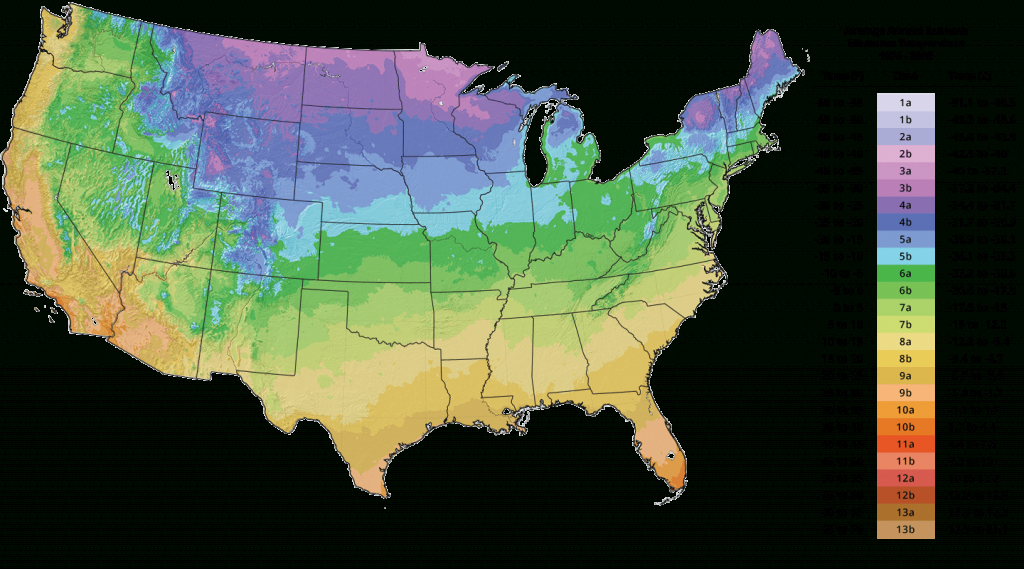
Growing Zones In The United States
US Planting Zone Map | Map Of USA Planting Zones
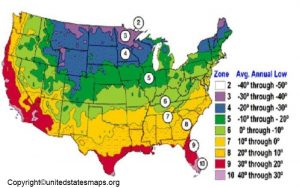
US Planting Zone Map | Map of USA Planting Zones
Map Of Planting Zones In United States Printable Map

Map Of Planting Zones In United States Printable Map
